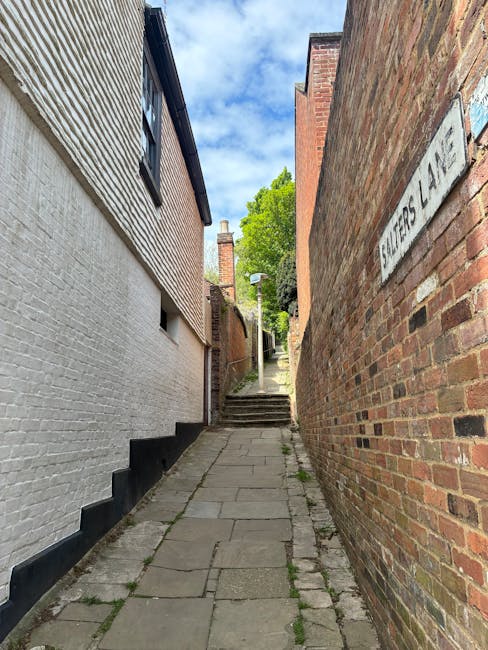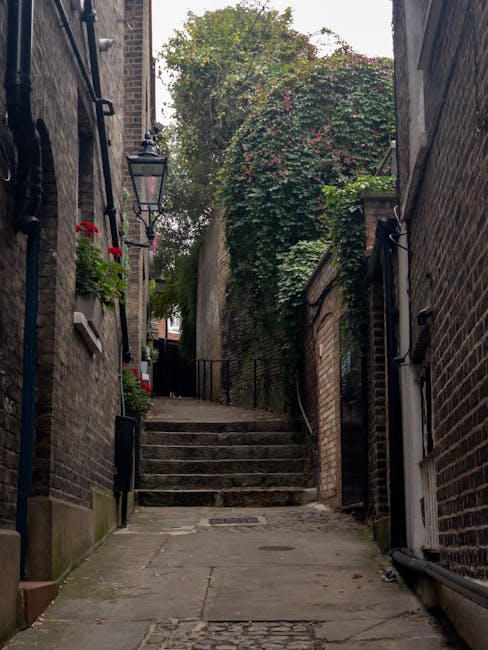
Englands Lane removals in Belsize Park for narrow staircases: a practical guide that actually helps
If you are planning Englands Lane removals in Belsize Park for narrow staircases, you already know this is not your average move. Tight turns, compact landings, awkward ceiling angles, and the occasional "how on earth does anyone get a sofa up there?" moment can turn a simple job into a stressful one. The good news is that with the right preparation, the right team, and a clear plan, it becomes much more manageable than it first looks.
This guide breaks down what makes these moves tricky, how the process works, what to check before moving day, and how to avoid the common mistakes that catch people out. Whether you are moving from a top-floor flat, helping a student relocate, or shifting a single heavy item, you will find a grounded, local approach here. And yes, the stairs matter a lot more than people think.
Why Englands Lane removals in Belsize Park for narrow staircases matters
Let's face it: narrow staircases change everything. A move that would be straightforward in a modern building can become slow, physical, and surprisingly technical in an older Belsize Park property. On Englands Lane, many homes and flats have staircases that were not designed with modern furniture in mind. Large wardrobes, pianos, mattress bags, glass tables, and even standard wardrobes can all become awkward if the turning space is limited.
The issue is not just about fit. It is about protecting walls, banisters, flooring, and the item itself. One careless turn on a tight landing can leave scuffs, chipped paint, or a damaged corner. And if you are carrying something heavy on a narrow staircase, the risk of slips or back strain goes up quickly. That is why specialist planning matters. It is not overkill. It is sensible.
In a street like Englands Lane, the real challenge is often the combination of access and timing. You may have limited parking, shared entrances, neighbours coming and going, and not much room to stage items inside. A good removal plan takes all of that into account instead of just assuming the van can pull up, load everything, and be done before lunch. Nice idea. Rarely the reality.
If you are trying to understand the broader moving landscape in the area, the company's services overview can help you see how small-scale, flat, and household moves are usually handled locally.
How Englands Lane removals in Belsize Park for narrow staircases works
The process starts long before moving day. A proper narrow-staircase move usually begins with an access check. That means measuring stairs, landings, door frames, and awkward bends, then comparing those measurements with the size of your largest items. It sounds basic, but to be fair, it saves a lot of trouble later.
Here is the usual flow:
- Initial assessment - You identify the biggest items, any fragile pieces, and the access constraints inside the property.
- Route planning - The team works out the safest path from room to front door, including turn points on staircases and any parking limitations outside.
- Packing and protection - Furniture gets wrapped, edges are padded, and the stairs or banister may be protected where needed.
- Carry-out strategy - Items are moved in a sequence that reduces congestion, usually starting with the hardest or largest pieces first.
- Loading and transport - The vehicle is loaded efficiently so the team avoids unnecessary back-and-forth on the staircase.
- Delivery and placement - Items are brought into the new property, often with the same careful attention to narrow access on arrival.
Some moves can be completed with a man-and-van setup, particularly if you are moving fewer items or need a more flexible option. For others, a fuller team is more sensible. If you are not sure where your move sits, the man and van Belsize Park page is useful for understanding smaller, flexible moving arrangements.
For flats and upper-floor properties, it is often worth comparing the practicalities of a flat removals Belsize Park service with a more general move. The access needs are often the deciding factor, not the distance.
Key benefits and practical advantages
A narrow-staircase removal done well brings more than convenience. It can genuinely reduce stress, protect your possessions, and cut down the odds of last-minute drama. And if you have ever tried to reverse a chest of drawers around a landing while someone is saying "careful, careful" every two seconds, you will appreciate that.
- Less damage risk - Proper wrapping, lifting technique, and planning help protect walls, floors, and furniture.
- Safer handling - Narrow staircases are physically demanding; good technique reduces strain and accidents.
- Faster problem-solving - Experienced crews know how to assess whether an item should be carried, dismantled, or temporarily stored.
- Better use of time - A structured move prevents repeated attempts, blockages on landings, and wasted energy.
- Cleaner coordination - Neighbours, building access, and parking constraints are all easier to manage when a plan is in place.
There is also a psychological benefit, which sounds a little soft until you are in the middle of moving day. If the access issue has already been thought through, the whole day feels less chaotic. That matters. A lot.
For people comparing route options and service styles, the removal services in Belsize Park page is a good way to see how a move can be matched to the property rather than forcing one generic solution.
Who this is for and when it makes sense
This kind of move is a fit for anyone dealing with awkward access, but it is especially useful for:
- residents in period conversions with steep or winding stairs
- top-floor flat occupants with limited space for large furniture
- students moving in and out of compact shared properties
- couples or families moving just a few bulky items
- people needing help with fragile or high-value items
- anyone who does not want to gamble on a rushed, under-planned move
It also makes sense when your move date is tight. If you have a handover in the morning and an incoming resident at the other end, you do not want to discover at 8:40 a.m. that the sofa will not clear the turn on the staircase. That is the sort of problem that tends to happen when nobody measured properly.
Students and sharers often benefit from a smaller, more nimble approach. If that sounds like your situation, the student removals Belsize Park page may be especially relevant.
For larger or more traditional household relocations, a house removals Belsize Park service may be the better fit, especially where the staircase challenge affects several rooms rather than just one.
Step-by-step guidance
If you want to handle the move properly, keep it simple and systematic. The biggest mistakes usually come from rushing the first stage.
- Measure the awkward bits first
Measure the staircase width, landing depth, and the narrowest door frames. If there is a tight bend, measure the turning radius as best you can. Do not rely on memory. Memory is optimistic on moving day. - List the bulky items
Write down the biggest pieces: beds, sofas, wardrobes, desks, tables, mirrors, and anything fragile. Add dimensions if you have them. If not, take photos. Photos are underrated. - Decide what should be dismantled
Some furniture is easier and safer to move in sections. Wardrobes, bed frames, and dining tables often travel better once taken apart. - Protect the property
Use coverings on bannisters, corner guards where needed, and floor protection at the base and top of stairs. Even a small scrape can be annoying later. - Plan the loading order
The most awkward or heaviest pieces should usually be handled first while everyone is fresh and the staircase is clear. - Keep access clear
Try not to leave boxes on landings or near doorways. In a narrow stairwell, one extra box can slow everything down. - Check parking and timing
Know where the vehicle can stop, how long loading may take, and whether any local restrictions might affect the schedule. - Do a final walk-through
Before the team leaves, check that nothing has been missed and that fragile items have been placed exactly where you want them.
If packing still feels like the weak point, a dedicated packing and boxes Belsize Park service can take a lot of the edge off. Honestly, that's often where people save the most time.
Expert tips for better results
In our experience, narrow-stair moves go best when you stay one step ahead of the problem rather than reacting to it.
- Move the largest item first if possible - Once the staircase is busy with boxes, the job becomes harder.
- Use proper lift-and-carry technique - One person taking the weight, another guiding the angle, works far better than sheer effort.
- Remove handles or protruding parts - Small details can make the difference between a smooth turn and a stuck one.
- Wrap slippery surfaces - Glossy furniture, leather, and polished wood are easier to control when protected.
- Keep communication short and clear - A simple "pause," "tilt," or "stop" is better than a long sentence shouted halfway down the stairs.
- Think about storage if access is impossible - Sometimes temporary storage is the practical answer, not forcing an unsafe carry.
A tiny but useful tip: put the kettle somewhere obvious. People work better when there is tea within reach. That is not a strategy manual recommendation, just life.
If you expect especially valuable or awkward furniture, it may be worth looking at the specialist approach offered through furniture removals Belsize Park. For delicate items like upright pianos, the task is even more specific, so a service like piano removals Belsize Park shows why specialist handling matters.
Common mistakes to avoid
Most moving headaches are avoidable. The trouble is that the mistakes are often small, which is why people overlook them.
- Assuming "it will fit somehow" - Hope is not a measurement. Measure the actual access route.
- Leaving packing too late - Last-minute boxing leads to poor protection and confusion about priorities.
- Forgetting the landing space - A staircase may be wide enough, but the landing turn may not be.
- Ignoring neighbour access - Shared hallways and entrances need a bit of courtesy and planning.
- Trying to move every item whole - Some pieces should be dismantled. That is just common sense, really.
- Underestimating weight - A compact item can still be brutally heavy.
- Not checking insurance and safety cover - If anything valuable is moving, you should know what protection is in place.
Another common issue is booking a service that sounds suitable but is not actually set up for the access conditions. A modest-looking staircase can still defeat a generic move if the team has not planned for it. That is why comparing the style of move matters, not just the headline price.
For reassurance on handling and protection expectations, the insurance and safety page is a sensible place to start. It gives you a clearer idea of how careful movers think about risk.
Tools, resources and recommendations
You do not need a truckload of kit for every move, but a few tools make narrow-stair work much safer and smoother.
| Item | Why it helps | Best used for |
|---|---|---|
| Furniture blankets | Protects surfaces from knocks and scratches | Wardrobes, tables, cabinets |
| Straps | Improves control and weight distribution | Bulky or heavy pieces |
| Corner protectors | Reduces damage to walls and furniture edges | Narrow turns and tight hallways |
| Floor coverings | Helps prevent scuffs and dirt transfer | Shared entrances and staircases |
| Labels and markers | Makes unloading faster and less confusing | Box organisation and room placement |
On the planning side, there are a few service pages that can help you decide what kind of support you need. If you are comparing different moving setups, man and a van Belsize Park, man with a van Belsize Park, and removal van Belsize Park each hint at slightly different practical levels of support.
If your move involves a tighter timeline, the same day removals Belsize Park option may be useful, but only if the access issue is still manageable and the property details are clear.
Law, compliance, standards, or best practice
For removals involving narrow staircases, the main compliance question is usually not about complex legislation. It is about doing the job safely, responsibly, and with reasonable care for property and people. In the UK, best practice typically means proper manual handling, clear communication, sensible load limits, and attention to insurance and liability arrangements.
Manual handling is the big one here. If an item is too heavy, too awkward, or too risky to carry safely, it should be reassessed. That may mean dismantling it, using a different route, assigning more people, or moving it by a different method altogether. Nobody wins by forcing a bad lift. Not the customer, not the movers, not the staircase.
It is also sensible to work in a way that respects the building and the neighbours. That means avoiding unnecessary damage, keeping communal areas clear, and being mindful of noise and time. For shared properties, these basics matter more than people expect.
If you want to understand how the business treats trust, safety, and customer obligations more broadly, there are several useful policy pages, including the health and safety policy, terms and conditions, and privacy policy. Those pages are not exciting reading, admittedly, but they do help set expectations.
Options, methods, or comparison table
Choosing the right approach depends on what you are moving and how tight the staircase really is. Here is a simple comparison that may help.
| Method | Best for | Strengths | Limitations |
|---|---|---|---|
| Man and van | Smaller flat moves, single rooms, a few bulky items | Flexible, practical, often quicker to arrange | Less ideal for larger households or very awkward access |
| Full removal service | Entire homes, multiple rooms, complex access | More structured, more support, better for heavy lifting | May be more than you need for a very small move |
| Specialist item move | Pianos, antiques, unusually heavy furniture | Tailored handling and better protection | Usually narrower in scope and more item-specific |
| Storage-first approach | When access or timing is not ready | Reduces pressure and avoids rushed decisions | Requires extra coordination and a second move later |
For many people moving on or near Englands Lane, the real choice is between speed and control. If you need a smooth, low-drama move, control usually wins. It's not glamorous, but it works.
If you are looking at broader moving support in the local area, the main removals Belsize Park page gives a useful overview of the wider moving picture.
Case study or real-world example
Here is a realistic scenario. A couple moving out of a second-floor flat near Englands Lane had a sofa, bed frame, compact dining table, and several boxes of books. The staircase was narrow, with a tight turn at the top and only a small landing. At first glance, they thought the sofa would need to be sold or abandoned. In the end, the crew checked the dimensions, removed the feet, protected the walls, and carried it out in a controlled angle with two people guiding every turn.
The important part was not brute strength. It was sequencing. The bed frame came apart, the boxes were grouped by weight, and the heaviest items were taken first while the stairs were still clear. That kept the route open and reduced the chances of someone trying to squeeze past with a box in both hands. A tiny thing, but these tiny things save the day.
They also arranged short-term storage for items they did not need immediately. That gave them breathing room and avoided the pressure of forcing everything through one awkward move. If that kind of flexibility sounds useful, the storage Belsize Park option may be worth considering.
The takeaway is simple: narrow stairs do not automatically mean a difficult move. They mean the move needs thought.
Practical checklist
Use this checklist a few days before moving day, not five minutes before the van arrives.
- Measure staircase width, landing depth, and tight doorways
- List every bulky or fragile item
- Decide which items should be dismantled
- Confirm parking and loading access
- Check whether communal areas need protection
- Pack and label boxes by room and weight
- Keep essential items separate for quick access
- Confirm whether you need a smaller moving setup or full support
- Review insurance and safety details
- Leave a clear route from each room to the exit
- Tell neighbours if access may be briefly disrupted
- Have cleaning materials and basic tools ready
Quick expert summary: if the staircase is narrow, the best move is rarely the fastest-looking one. It is the one that protects the property, respects the access route, and avoids forcing bulky furniture through spaces it was never meant to go through in the first place.
Conclusion
Englands Lane removals in Belsize Park for narrow staircases are all about preparation, not panic. Once you measure properly, plan the sequence, and choose the right level of moving support, the whole job becomes far less intimidating. Narrow stairs are a constraint, yes, but they are not a dead end.
If you are at the stage of comparing options, weighing up access issues, or deciding whether you need a smaller move or full removal support, take the time to get the setup right. It will spare you stress, protect your belongings, and make the day feel a lot more under control. And frankly, that calm feeling is worth a lot when boxes are stacked by the door and someone is trying to find the kettle.
Get a free quote today and see how much you can save.
Frequently Asked Questions
What makes Englands Lane removals in Belsize Park for narrow staircases different from a normal move?
The staircase access changes the whole process. Tight turns, small landings, and limited clearance mean furniture must be measured, packed, and carried with much more care than in a standard move.
Can a sofa fit up a narrow staircase in Belsize Park?
Sometimes yes, sometimes no. It depends on the sofa dimensions, the landing space, and whether the legs or arms can be removed. Measuring properly is the only reliable answer.
Should I dismantle furniture before moving day?
If an item is bulky, awkward, or likely to snag on a stair turn, dismantling usually helps. Bed frames, wardrobes, and some tables often travel far better in sections.
Is a man and van suitable for narrow staircase removals?
It can be, especially for smaller flat moves or a limited number of bulky items. The key is whether the access route and item size match the service style.
How do movers protect walls and bannisters on tight stairs?
They may use blankets, corner protectors, floor coverings, and careful carrying angles. Protection is especially important where stairwells are close and turns are tight.
What should I measure before booking a removal?
Measure the staircase width, landing depth, key door frames, and the largest items you want moved. Photos can help too, especially for unusual bends or tight corners.
Can I move everything in one trip if the staircase is very narrow?
Possibly, but not always safely. Sometimes a staged move or temporary storage is smarter than forcing everything through one difficult access point.
Do narrow staircases make removals more expensive?
They can, because the move may take longer and require more care or more people. But the exact cost depends on the items, access, and service level.
What happens if an item will not fit on the stairs?
Good movers will reassess the plan rather than forcing it. That may involve dismantling the item, changing the carry route, or using storage until a safer solution is arranged.
How far in advance should I plan a move on Englands Lane?
The earlier the better, especially if you have a narrow staircase and limited parking. A bit of lead time makes access checks and packing much easier.
Is it worth choosing storage first if I am not sure about access?
Yes, in some cases. If the staircase or timing makes the move risky, short-term storage can reduce pressure and give you a safer second stage later.
Where can I get help if I am comparing moving options in Belsize Park?
You can review the available moving services, compare access-friendly options, and then decide what fits your property and timetable best. If you need to speak with someone directly, the contact page is the simplest next step.